
Cold-Heading Steel Volatility: Balancing Fastener Costs and Delivery
A historical Guangdong steel market snapshot provides a starting point for comparing quotations, planning material purchases and coordinating fastener production with delivery commitments.
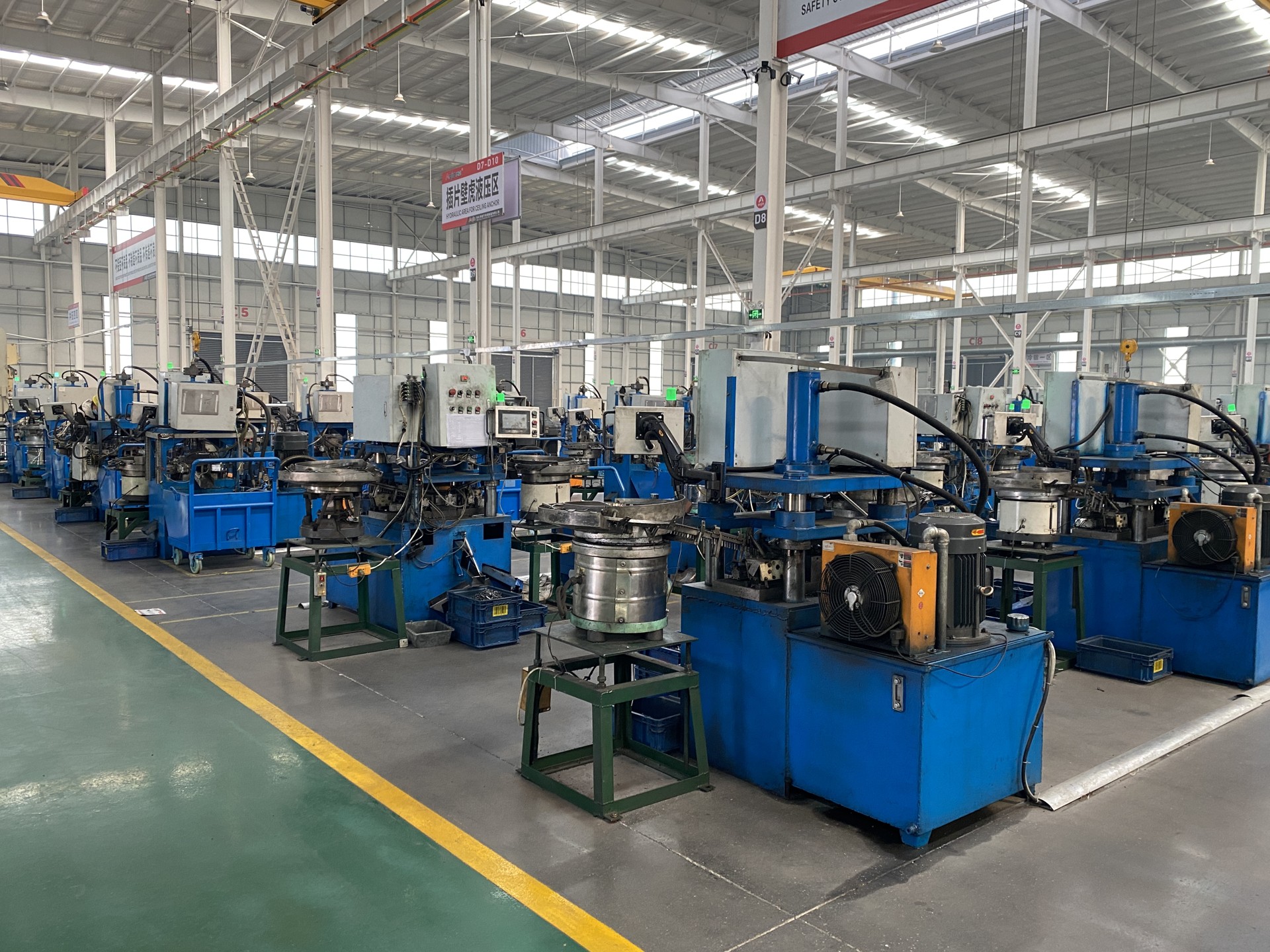
Original photograph of AOJIA’s production workshop, illustrating manufacturing operations.
For fastener manufacturers, purchasing raw material affects both costs and production schedules. During price fluctuations, the price per tonne is only part of the decision. Material suitability, arrival dates and inventory aligned with orders also matter. Drawing on public market information, this article offers practical purchasing considerations.
Read market figures in their time and place
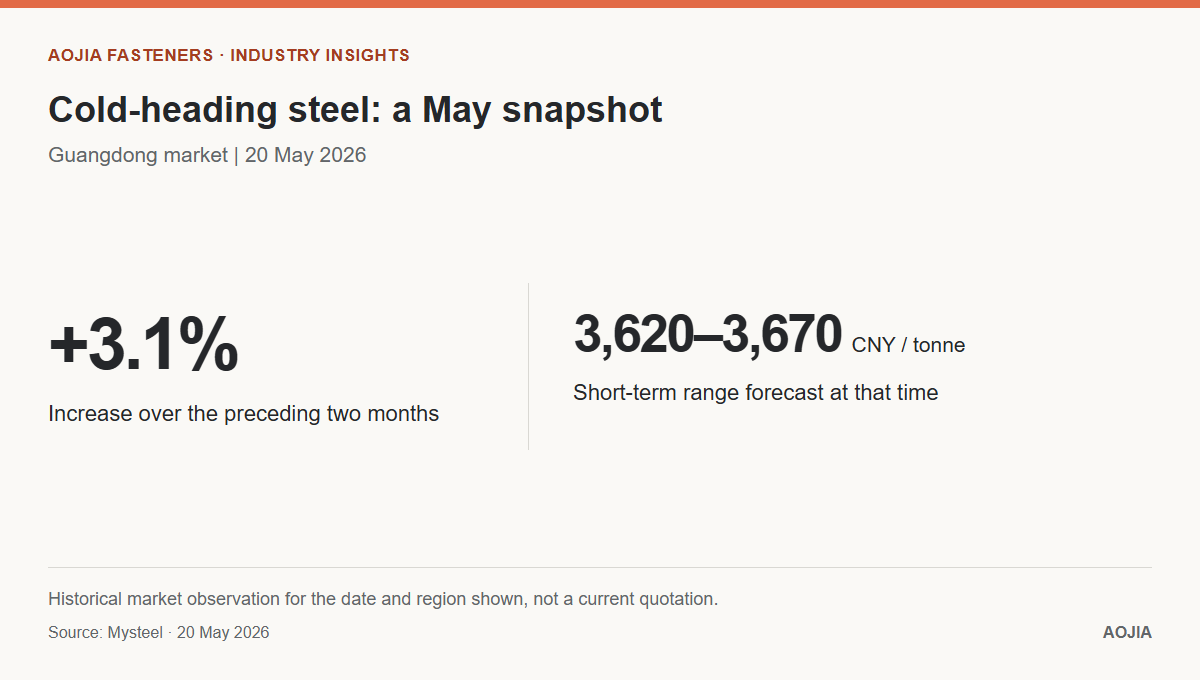
Mysteel’s 20 May 2026 Guangdong update reported a 3.1% two-month rise and projected a short-term range of RMB 3,620–3,670/t. This historical forecast is not a current quotation.
A separate Mysteel update on 15 May reported that margin differences were encouraging some mills to shift production from rebar products to drawing-quality wire rod. For buyers, the implication is to monitor the availability of specific grades and sizes, rather than treating the general steel price as a measure of material availability.
Compare quotations on consistent terms
Enquiries should specify grade, diameter, delivery condition, quality documents, tax treatment, transport costs and lead time. Similar prices per tonne are not necessarily comparable when specifications or commercial terms differ. Carbon-steel cold-heading prices should not be used directly as the cost basis for stainless steel products.
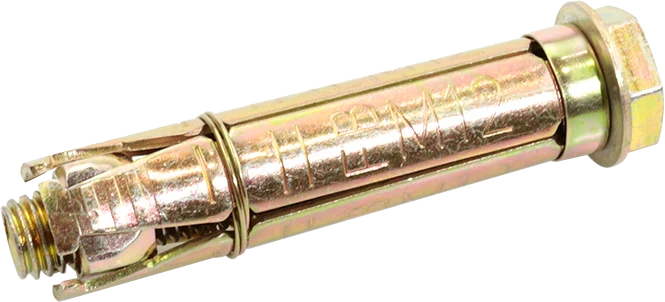
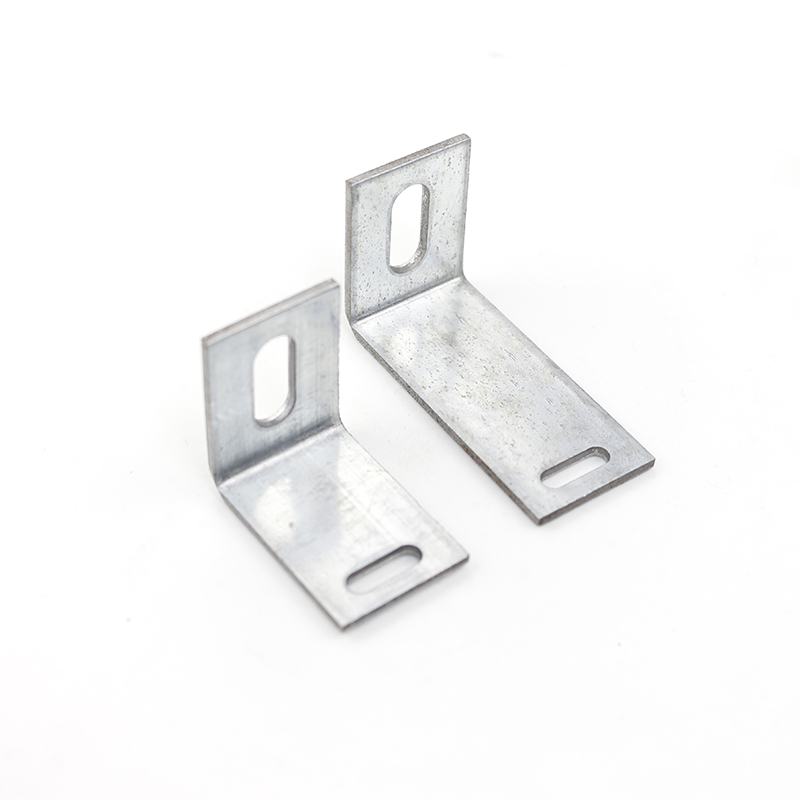
For anchor products such as tie-wire anchors and wedge anchors, the enquiry should also identify the finished product’s material, drawing revision, surface treatment and inspection requirements. Agreeing on technical conditions before comparing supply options can reduce repeated clarification later.
Let orders and lead times guide purchasing
Buying in stages is an option to assess, not a universal rule. Minimum order quantities, transport costs, supply lead times and confirmed demand should determine the batch plan. Avoid both excessive buying driven by fears of price rises and insufficient stock that could interrupt production.
- Separate confirmed orders, forecast demand and sample development when planning materials.
- Confirm lead times for critical sizes early; review any substitute material with technical and quality teams.
- Reconcile stock on hand, incoming material and planned consumption to prevent duplicate purchasing.
- Specify quotation validity and raw-material price adjustment terms to reduce delivery disputes.
Turn cost discussions into supply coordination
Overseas buyers can help manufacturers assess production and shipping options by sharing expected quantities, target delivery dates and packaging requirements early. Unit price matters, but batch consistency, reliable delivery and clear communication also deserve consideration.
These purchasing suggestions should be assessed against each business’s actual orders and supply conditions. For anchors or custom fasteners, share your drawings, material requirements and quantities with AOJIA so that supply options can be discussed around the actual application.